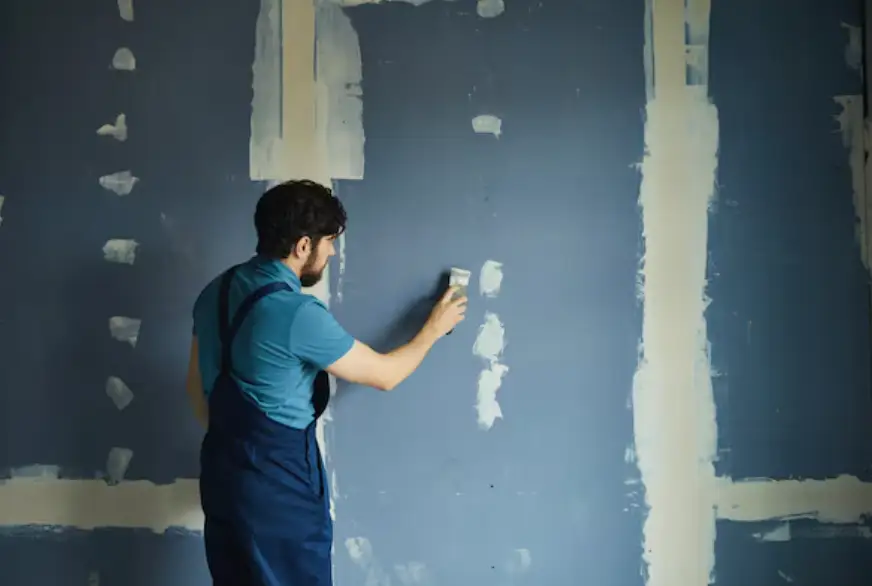
Commercial properties are always subject to wear and tear because of regular foot traffic, changing humidity levels, and sudden water leaks. Cracked walls and dents might seem like superficial problems at first glance, but many times they can be indicative of something much more serious going on. That is the reason why Commercial Drywall Repair has become increasingly important for people running businesses.
Overlooking even the smallest problem with your drywall can lead to higher repair expenses, disturbances in your work process, and the lack of a professional look inside your premises. Knowing about what causes drywall damage is key to avoiding this problem.
Small Wall Damage Often Signals Bigger Problems
There is no situation where drywall will fail without any cause. Water damage, shifting buildings, HVAC condensation, and accidents all contribute to weakening the walls over time. The process starts from a hairline crack and may lead to the development of molds, peeling paints, and even poor insulation. Inspections help businesses detect issues before undertaking repairs.
Why Are More Commercial Buildings Scheduling Repairs Earlier?
Preventive maintenance has become one of the biggest trends in facilities management. Rather than waiting for visible damage to occur, many businesses are undertaking wall repair during normal facility maintenance.
These repairs are important because they allow businesses to:
- Present a professional image
- Avoid costly repairs
- Avoid moisture damage
- Increase the life expectancy of interior surfaces
- Operate without disruption to business activities
This allows facilities to remain functional without emergency repairs.
Moisture Is The Biggest Threat To Interior Walls
Leakages do not necessarily manifest themselves in easily identifiable ways. Leaks from the roof, plumbing leaks, or high humidity inside may gradually deteriorate the drywall behind the paint or other wall finish.
If moisture is found, repair is frequently not limited to the drywall itself. For instance, Stucco Repair may be required in many commercial properties where the wall system has let water into the building.
What Should You Check Before Damage Becomes Expensive?
A business owner can cut down on maintenance costs through the identification of the following warning signs:
- Bulging drywall
- Stains and discolorations
- Peeling paint
- Cracks around doors and windows
- Musty smells
The aforementioned signs often signify moisture problems or structural changes that require an expert’s attention.
Repairs Improve More Than Appearance
Modern commercial maintenance ensures the protection of building performance as opposed to the aesthetic aspect. Drywall in good condition ensures high-quality air inside, improved insulation performance, and an improved atmosphere for both employees and visitors.
Modern businesses understand that improved interiors will give customers more confidence and improve the value of the property.
Is Delaying Repairs Actually More Expensive?
Yes, in many instances. Small-scale damage from drywall tends to be much quicker and less expensive to fix than major damage that occurs after many months of neglect. Once moisture penetrates into the framing material or the insulation, the repairs are more complex.
Tackling the issues when they are contained helps save money on repairs and saves the structure itself.
Conclusion
Commercial buildings are most successful if maintenance is geared towards preventing breakdowns rather than making repairs. Early detection of any problems involving drywall, keeping an eye out for moisture damage, and taking note of any degradation on the outside will ensure longevity of the building.
In cases where the project entails interior restoration as well as Commercial Stucco Repair, professional companies like Designhaus Interiors know the importance of coordinating.