
Interior Designer in Princeton, NJ
Interior Design in Princeton, NJ: Why Do Some Homes Feel More Comfortable?
“Why is it that one home feels immediately comfortable but another one doesn’t?” It is a question that has puzzled designers for many years now. Even two houses with similar sizes, furniture, and finishes can differ in how they feel, with one feeling balanced and the other unbalanced.
DesignHaus Interiors knows the answer- this difference does not come from anything that has been done. The difference comes from what has been understood. Throughout Princeton, many homes were designed with proportions emphasized rather than decoration. The windows were thoughtfully positioned to allow sunlight, fireplaces became centers for gatherings, and the room sizes were planned so conversations could take place rather than fill the space.
As an experienced interior designer in Princeton, NJ, we do not start our designs by asking what needs to be replaced. We start our designs by asking what makes the house the way it is. Once we understand its architectural rhythm, every design decision becomes more thoughtful, more cohesive, and ultimately more comfortable. Comfort isn’t something we place inside a room. It’s something we uncover.
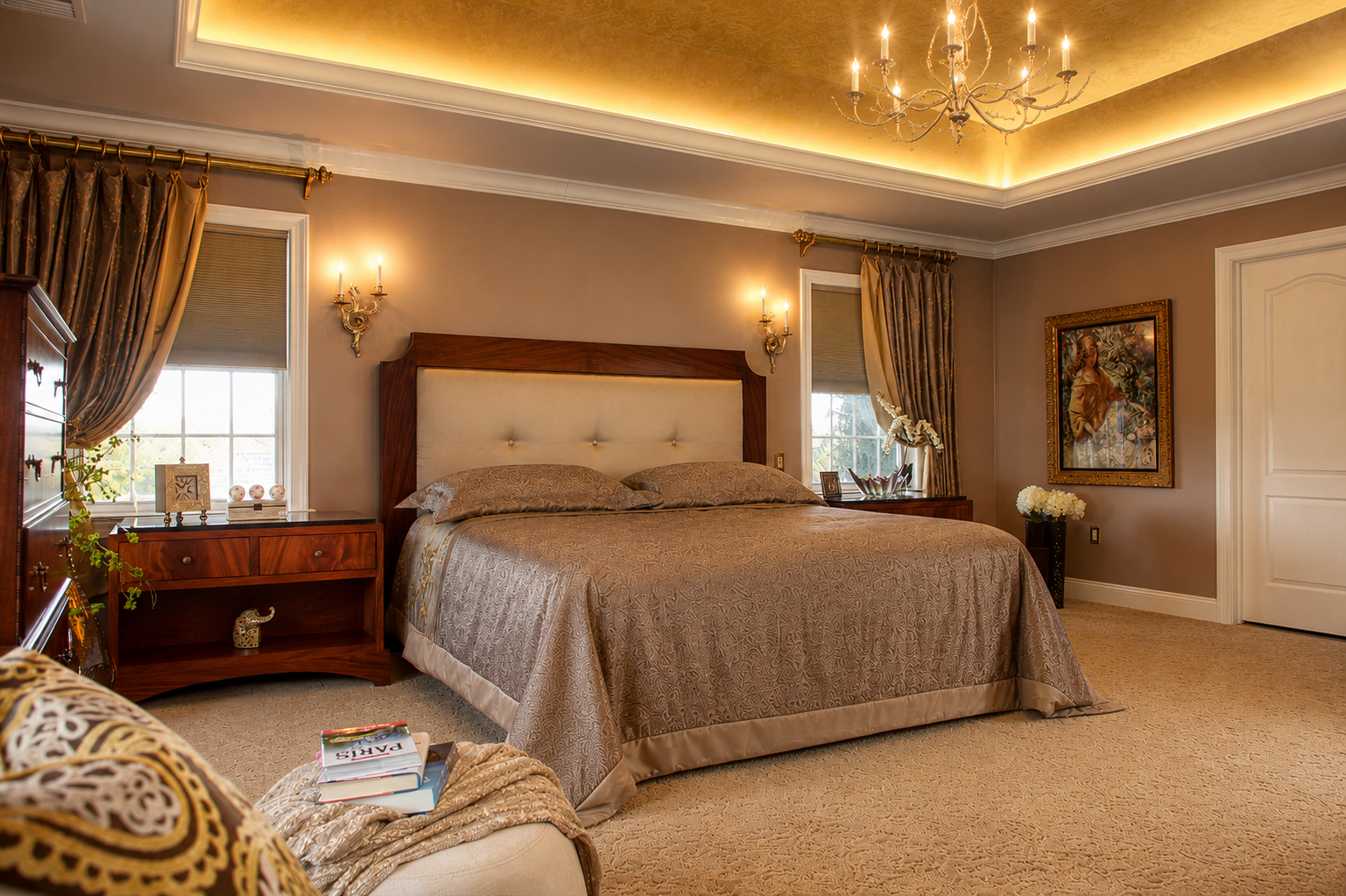
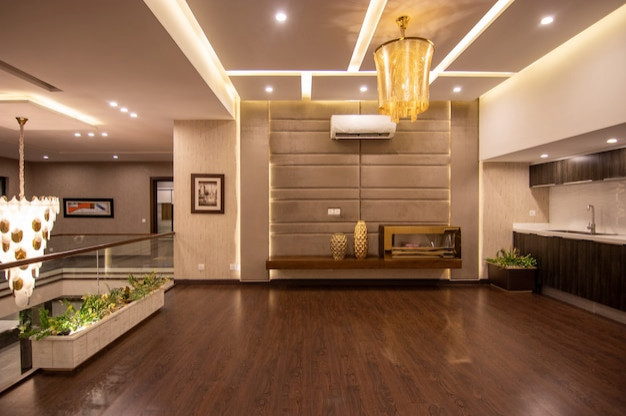
How Do We Design Around a Princeton Home’s Architecture?
Instead of creating an entirely new identity for the interior design, our DesignHaus Interiors professionals let the architecture speak for itself. That means paying close attention to details like:
- Window placement and natural light
- Moulding profiles and ceiling transitions
- The balance of sight lines created by doorways and openings
- Architectural features within the existing plan
- Ceiling heights and proportion of rooms
- Natural flow between spaces
And when these elements are a priority, the finished interior will feel as if it were meant to be.
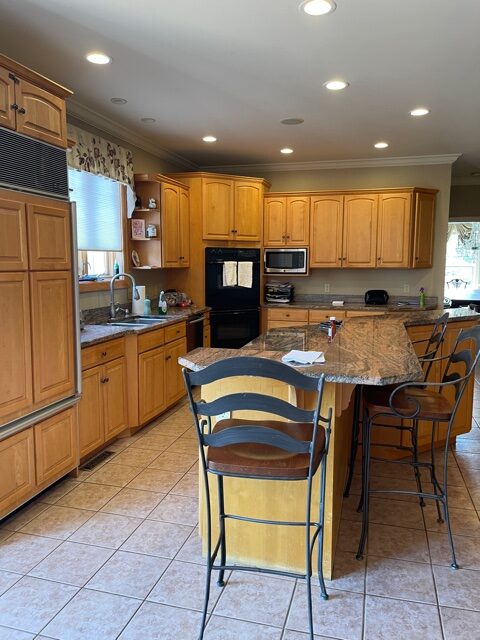
Kitchen Remodeling in Princeton, NJ
We achieve that connection through thoughtful decisions, such as:
- Cabinets reflecting the house’s architectural style.
- Materials that match the rest of the house.
- Lighting that does not create contrast but harmony.
- The proportions between the cabinet spaces and the open space are carefully balanced.
- Handmade detailing versus mass production.
- Kitchen layout that enhances the room’s functionality without compromising its essence.
The most perfect kitchens are never the stars of the show. They are simply the natural heart of the home.
What Makes a Room Feel Harmonious?
One chair alone cannot make harmony. Neither does one fixture. Not even a perfectly designed table. Great interiors result from how each piece relates to the next, such as the distance between the furniture. The size of the artwork on a wall. Height of the pendant over the island. The leftover space that’s deliberately left alone.
All of this goes unnoticed if done well. But together, they define whether a space feels harmonious or chaotic.
All projects consider the relationships between:
- Furniture and architecture
- Light and darkness
- Texture and color
- Space and everyday life
- Tradition and modernity
- Functionality and elegance
Interior design is not about picking out pretty things. Interior design is about making each thing fit in.
Luxury Interior Design in Princeton, NJ
That is why certain designs remain elegant even two decades after their completion. It wasn’t that they used the best available material. It’s because every design element was carefully considered.
A luxury interior design in Princeton is all about balance, proportions, and craftsmanship rather than clutter, excessive decoration, and following trends. Often it’s the little things that make the most significant difference—be it perfecting a size of custom millwork, achieving architectural symmetry, or using natural light as a design element.
Luxury cannot be expressed through decorations. It needs to be felt every day.
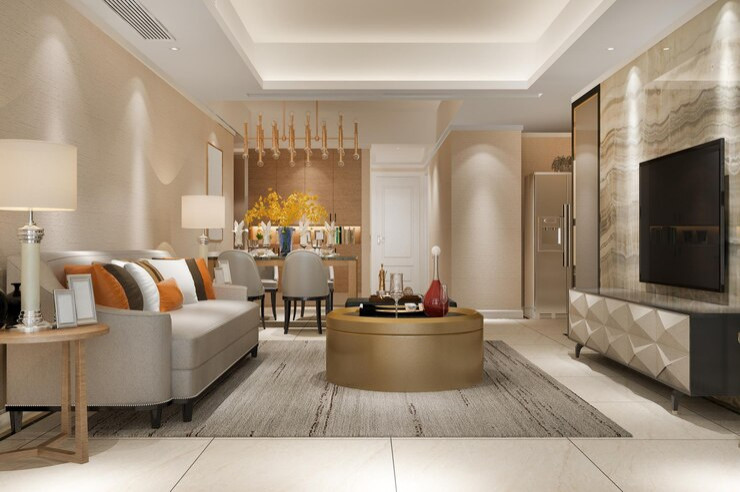
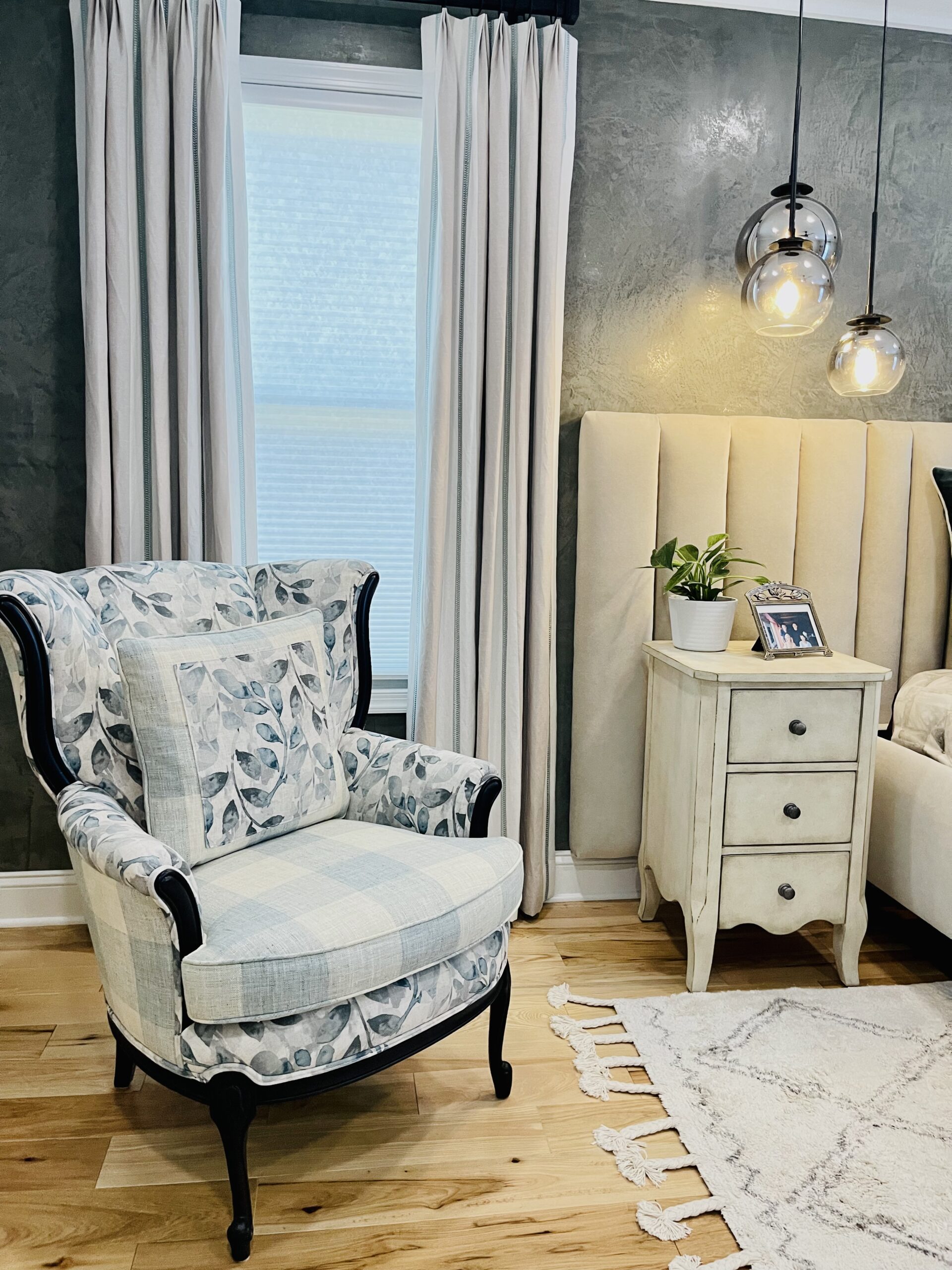
Home Renovation in Princeton, NJ: Why Editing Comes First
Sometimes the best interior design strategy is to:
- Open a view instead of decorating walls.
- Reveal original architectural features hidden behind layers of paint.
- Make material selections simpler for a more cohesive look.
- Get rid of the unnecessary decoration and enhance the craftsmanship.
- Make spaces work better instead of enlarging their size.
- Bring natural light into the design.
Memorable interiors are not created by adding more. They are created by eliminating all unnecessary elements.
Book an Interior Design Consultation in Princeton, NJ
The finest homes in Princeton have never been remembered for their fashion. They have been appreciated for how well they have aged and adapted to today’s lifestyle, without forgetting their history. Whether you’re considering kitchen remodeling, interior renovations, or a full-scale home remodel, our goal is to ensure every change is thoughtful and intentional.
At DesignHaus Interiors, good design is not about how much the house is renovated. Good design is about how seamless the transition into the next stage becomes. Let’s make sure your home honors its architecture, enhances your daily life, and upholds Princeton’s legacy of elegant interiors.
Interior Design FAQs for Princeton Homeowners
How Can You Modernize an Older Princeton Home Without Losing Its Character?
Firstly, we identify the architectural features to keep and add thoughtful touches that enhance comfort and utility while retaining the home’s original size and character.
What Does Luxury Interior Design Involve Today?
Luxury is defined by superb craftsmanship, proportion, material choices, and details that provide beauty, comfort, and elegance rather than excess.
How Do You Decide What to Keep During a Renovation?
We consider architectural importance, craftsmanship, function, and aesthetic contribution, retaining elements that enhance the home’s identity while modernizing areas that no longer function well.
Can You Renovate Without Changing the Size of a Home?
Yes. Renovation involves reorganizing space and improving circulation, sightlines, and transitions to enhance the flow through the house.
How Do You Keep a Renovation Design Consistent?
We establish a comprehensive design philosophy that informs the material choices, finishes, architectural details, colour, and space planning for each room.